
Most small business owners have had this happen: someone visits your website, looks at a product or service, maybe even clicks around for a few minutes, then leaves without calling, booking, or buying. It can feel like a missed opportunity, but it does not have to be the end of the story.
That is where retargeting comes in. For small businesses in Denton, Dallas, Abilene, and across North Texas, retargeting can help keep your business in front of people who already showed interest. It may sound technical, but the idea is simple: remind interested people to come back when they are ready.
Retargeting is not about chasing people around the internet. When done well, it is more like a friendly follow-up. Google describes remarketing as a way to re-engage people who have visited your website or app, while Meta allows businesses to build custom audiences from website visitors and other engagement sources.

1. Understand What Retargeting Actually Does
Retargeting shows ads to people who have already interacted with your business online. That could mean they visited your website, viewed a service page, clicked on a product, watched a video, or engaged with your social media.
Think of it like someone walking into your store, browsing for a few minutes, then leaving. If you run a boutique in Denton, they may have liked what they saw but needed more time. Retargeting gives you a way to gently remind them, “Hey, we’re still here when you’re ready.”
This is different from showing ads to total strangers. Retargeting focuses on warm leads, people who already know your name or showed interest. That often makes the message feel more relevant and easier to act on.

2. Start With One Clear Goal
Before you run a retargeting ad, decide what you want people to do when they come back. Do you want them to schedule an appointment, call your shop, request a quote, visit your store, or complete a purchase?
For example, if you own an auto shop in Dallas, your retargeting goal might be to bring back people who visited your brake repair page and encourage them to book an inspection. If you run a medical clinic in Abilene, your goal might be to remind website visitors to schedule a consultation.
A simple goal makes the ad easier to write and easier to measure. Instead of saying, “Come check us out,” say something more specific, like “Schedule your appointment,” “Request a quote,” or “Visit us this week.”

3. Match the Message to What They Looked At
Good retargeting feels personal without feeling invasive. The easiest way to do that is to match your ad message to the page or product the person viewed.
If someone looked at your wedding event services, show them an ad about booking a tour or checking availability. If someone viewed your dog training page, show them a reminder about a free assessment. If someone visited your dental air compressor service page, show them a practical ad about keeping equipment running smoothly.
This is where retargeting works like a sales funnel. At the top, people are just becoming aware of your business. In the middle, they are comparing options. At the bottom, they are close to making a decision. Your retargeting ad should help move them one step closer, not overwhelm them with too much information.

4. Keep Your Ads Helpful, Not Pushy
The best retargeting ads do not need to sound aggressive. Small business owners often get better results by being clear, useful, and timely.
For example, a boutique in Denton could retarget visitors with “Still thinking it over? Stop by this week to see what’s new.” A service business in Dallas could say, “Need help finishing that project? Request a quick estimate today.” A clinic in Abilene could use a softer message like, “Ready to take the next step? Schedule your visit when it works for you.”
It is also important to keep your advertising honest and accurate. The Federal Trade Commission provides guidance for businesses on truth-in-advertising standards, including making sure ads are not misleading and that claims can be supported.
5. Track Results and Adjust Slowly
Retargeting does not have to be perfect on day one. Start small, watch the results, then make simple adjustments.
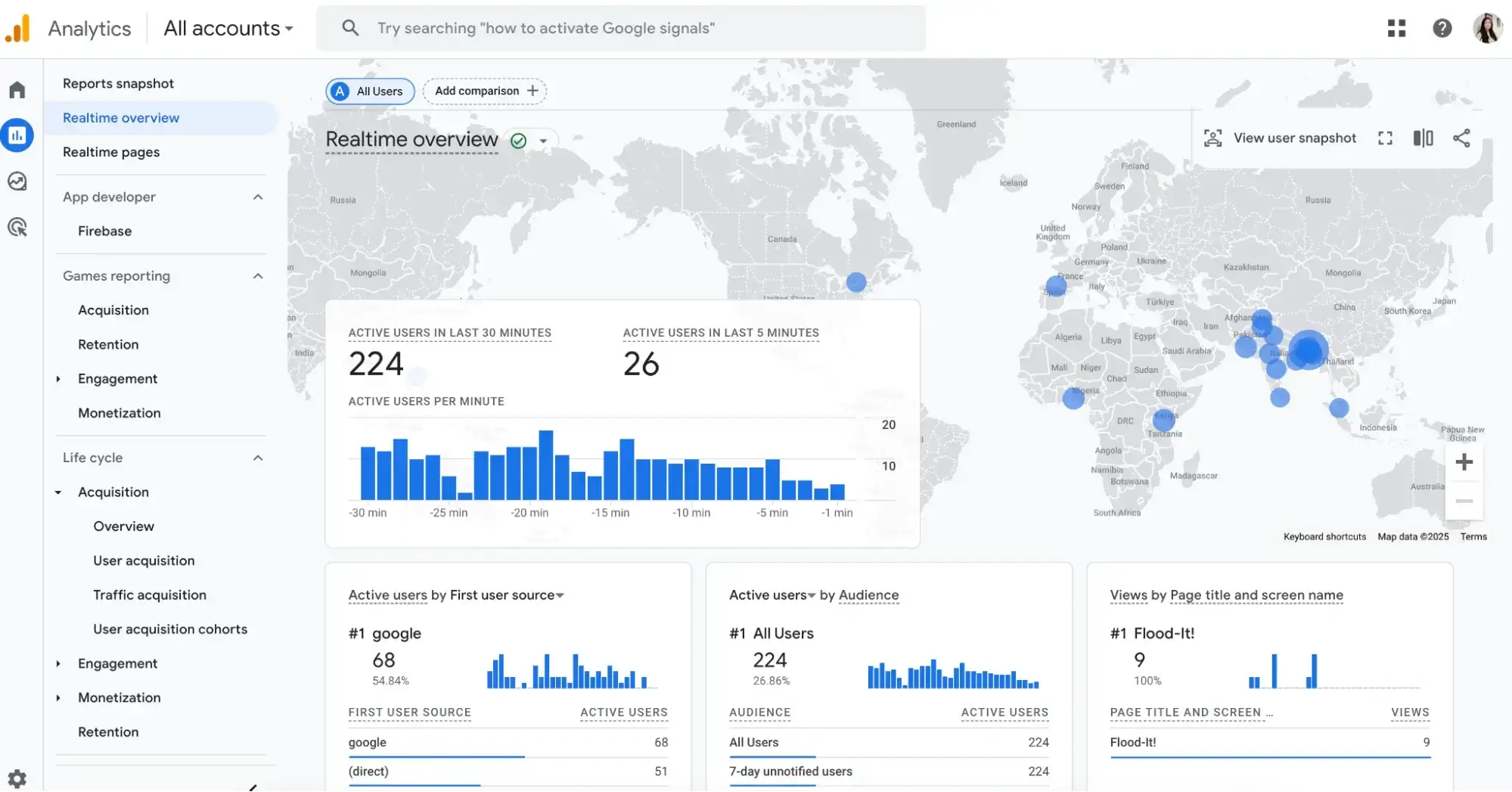
A few useful numbers to track are clicks, calls, form submissions, purchases, or booked appointments. You do not need to obsess over every metric. Focus on the action that matters most to your business.
For example, if your ad is getting clicks but no calls, your landing page may need a clearer phone number or stronger call to action. If people are seeing the ad but not clicking, the message may need to be simpler. Think of it like tuning a radio, small adjustments can help you get a clearer signal.

Final Thoughts
Retargeting may sound complicated at first, but the basic idea is easy: bring back people who already showed interest in your business. You are not starting from zero. You are continuing a conversation that already began.
The best first step is simple. Pick one page on your website, choose one goal, and create one follow-up message for visitors who did not take action. Over time, those small improvements can help more people return, call, book, or buy.
Need Help Bringing Visitors Back?
CurePay helps small businesses build practical digital marketing systems that make sense, from SEO and websites to social media, email marketing, and paid ad support. If you want help setting up retargeting without getting buried in tech, CurePay can help you create a clear plan that fits your business and your goals.

How CurePay Can Help
At CurePay, we help brick-and-mortar businesses across North Texas get found online. Our digital marketing services include:
- SEO (so your business ranks higher in search results)
- Email marketing (to stay connected with customers)
- Social media management (so you stay active online)
- A free website (that’s mobile-friendly and professional)
- Paid advertising management (to bring in even more customers)
👉 Schedule your free 30-minute consultation with CurePay today.
📞 Call 1.855.287.3729
🌐 Visit CurePay.comHow CurePay Can Help